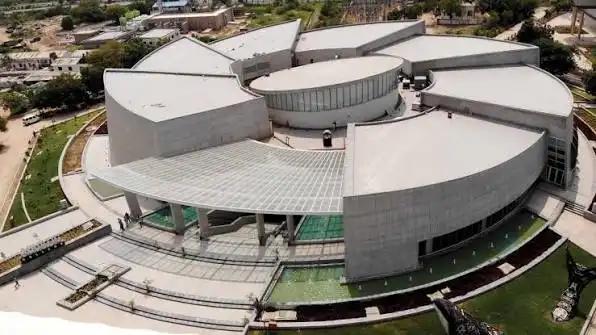
Mechwat Technologies successfully executed the specialized sanitation and sewage-treatment package for the Science City Aquatic Gallery construction site in Ahmedabad, Gujarat, under the project’s main civil contractor, M/s Shapoorji Pallonji Group.
Executed between 2017 and 2019, the project involved providing hygienic, dependable and environmentally responsible sanitation infrastructure for the labour colony, construction workforce, executives, engineers, supervisors and site-management personnel working at the Aquatic Gallery development.
Mechwat supplied and installed portable bio-toilets and a sewage treatment plant to manage sanitation and domestic wastewater generated from the temporary construction facilities.
The solution enabled the project site to maintain organized sanitation, improve worker welfare and reduce the environmental risks associated with untreated sewage from temporary labour accommodation and executive facilities.
This completed assignment demonstrates Mechwat’s capability to support leading EPC and civil-construction companies with integrated sanitation and wastewater-management solutions for complex, high-profile infrastructure projects.

Project Background
Large construction sites require temporary infrastructure capable of supporting workers, engineers, contractors, executives and site-management teams throughout the project lifecycle.
The labour colony and temporary facilities associated with the Science City Aquatic Gallery project generated wastewater from:
- Toilets and washrooms
- Labour accommodation
- Bathing and washing areas
- Executive and administrative facilities
- Site offices
- Worker welfare facilities
- General housekeeping and cleaning activities
In the absence of properly planned sanitation and wastewater-treatment systems, temporary construction camps can create serious health, hygiene and environmental challenges.
Potential risks include:
- Uncontrolled sewage discharge
- Unhygienic labour-camp conditions
- Odour and vector-related concerns
- Soil and groundwater contamination
- Blocked drains and stagnant wastewater
- Increased risk of waterborne disease
- Non-compliance with site health, safety and environmental requirements
To address these challenges, Mechwat delivered an integrated sanitation solution combining portable toilet infrastructure with on-site sewage treatment.

The Client Requirement
The construction project required a sanitation system capable of serving different categories of site users while remaining practical for a temporary and continuously evolving construction environment.
The solution needed to provide:
- Hygienic toilet access for the labour colony
- Suitable sanitation facilities for executives and site personnel
- Effective collection and treatment of domestic sewage
- Infrastructure suitable for temporary construction-site conditions
- Rapid installation and operational readiness
- Flexibility to accommodate changing site layouts
- Reliable performance under variable wastewater loads
- Reduced dependence on permanent municipal sewer infrastructure
- Improved worker health, safety and dignity
- Environmentally responsible wastewater management
Mechwat developed and implemented the sanitation package in coordination with M/s Shapoorji Pallonji Group and the relevant site teams.

Mechwat’s Scope of Work
1. Portable Bio-Toilets for the Labour Colony
Mechwat supplied and installed portable bio-toilet systems to provide hygienic sanitation facilities for workers residing in or using the temporary labour colony.
Portable bio-toilets were suitable for the construction environment because they offered:
- Faster deployment than permanent toilet infrastructure
- Flexibility for temporary and changing site conditions
- Reduced dependence on an operational underground sewer network
- Improved human-waste collection and management
- Better sanitation access for construction workers
- Modular deployment according to workforce requirements
- Practical servicing and maintenance
- Potential relocation as construction activities progressed
The facilities supported cleaner and more dignified living conditions for the workforce engaged in the project.

2. Executive and Site-Management Sanitation Facilities
Mechwat also provided sanitation infrastructure for executives, engineers, supervisors and representatives of M/s Shapoorji Pallonji Group working from the project site.
The facilities were planned to support:
- Executive and supervisory personnel
- Construction-management teams
- Engineers and technical representatives
- Temporary project offices
- Administrative and coordination areas
Providing organized sanitation for both labour and executive facilities enabled the project to maintain a coordinated site-wide sanitation arrangement.

3. Sewage Treatment Plant
Mechwat installed a sewage treatment plant to manage domestic wastewater generated from the labour colony, portable toilet facilities, executive areas and associated temporary infrastructure.
The sewage-treatment solution supported:
- Collection of domestic wastewater
- Biological treatment of sewage
- Reduction of organic pollutant load
- Reduction of suspended solids
- Improved wastewater quality
- Odour management
- Controlled treatment of sewage generated at the site
- Environmentally responsible discharge or reuse, subject to project requirements
The installation of an on-site sewage treatment plant provided a systematic alternative to uncontrolled sewage disposal and helped improve the project’s environmental performance.

4. Wastewater Collection and System Integration
Mechwat’s involvement extended beyond the supply of individual sanitation products. The project required coordination between the portable toilets, sewage-collection arrangements and treatment infrastructure.
The integrated implementation included support related to:
- Wastewater collection planning
- Connection of sanitation facilities
- Sewage routing and conveyance
- Integration with the treatment plant
- Site-specific installation requirements
- Coordination with temporary civil and plumbing works
- Technical support during system implementation
- Testing and operational-readiness support
This coordinated approach helped ensure that the sanitation facilities and sewage treatment plant operated as part of one practical wastewater-management system.

Project Execution Approach
Site Assessment
Mechwat reviewed the sanitation demand, labour-colony requirements, executive-facility needs, expected sewage generation and available installation space.
The assessment considered:
- Workforce and user requirements
- Temporary camp layout
- Site accessibility
- Available utility connections
- Wastewater-generation patterns
- Construction-stage limitations
- Location of labour and executive facilities
Technical Planning
Portable bio-toilets and sewage-treatment infrastructure were configured according to the project’s operational and site-specific requirements.
The planning process focused on:
- Reliable sanitation access
- Practical installation
- Ease of operation
- Wastewater collection
- Treatment performance
- Adaptability to evolving site conditions
Coordination with the Civil Contractor
Mechwat worked under M/s Shapoorji Pallonji Group and coordinated the sanitation package with the wider construction programme.
Coordination covered:
- Civil works
- Plumbing arrangements
- Temporary infrastructure development
- Site-access requirements
- Labour-colony planning
- Construction scheduling
- Health, safety and environmental procedures
Supply and Installation
Mechwat supplied and installed the portable bio-toilet systems, associated sanitation facilities and sewage treatment plant at the project site.
Testing and Completion
The installed infrastructure was inspected and supported through testing, operational readiness and final completion.

Key Project Challenges
Dynamic Construction-Site Conditions
Construction-site layouts frequently change as civil, structural and architectural work progresses. The sanitation infrastructure therefore needed to remain practical within an evolving project environment.
Variable Workforce Requirements
The number of workers and site personnel could vary depending on the stage of construction. Wastewater generation and sanitation demand therefore changed throughout the project.
Limited Permanent Utility Infrastructure
During construction, permanent sewerage, drainage and plumbing systems may be incomplete or unavailable. The project required a temporary and relatively independent sanitation solution.
Separate Labour and Executive Requirements
The sanitation package needed to serve labour-colony users as well as executives, engineers, supervisors and project-management personnel.
Hygiene and Public-Health Protection
The facilities had to support safe sanitation practices and reduce the risks associated with poor waste management, stagnant wastewater and unhygienic camp conditions.
Environmental Risk Management
Untreated sewage from temporary settlements can contaminate soil, groundwater and nearby drainage systems. The sewage treatment plant was essential for reducing this risk.

Solution Outcomes
Through the successful execution of the Science City Aquatic Gallery sanitation project, Mechwat helped deliver:
- Hygienic portable toilet facilities for construction workers
- Dedicated sanitation arrangements for executives and site personnel
- Organized collection and treatment of domestic sewage
- Improved cleanliness within the labour colony
- Better worker health, welfare and dignity
- Reduced risk of open or uncontrolled sewage discharge
- Reduced risk of soil and groundwater contamination
- Improved management of temporary construction-site wastewater
- Flexible sanitation infrastructure suitable for project conditions
- Coordinated execution under a major civil contractor
- A complete solution combining portable sanitation and sewage treatment

Environmental and Social Value
Improved Worker Welfare
Access to clean and functional sanitation facilities is fundamental to worker health, safety and dignity.
The project helped provide construction workers with better sanitation access during the development of the Aquatic Gallery.
Safer Executive and Site Facilities
Dedicated sanitation arrangements supported the daily requirements of engineers, supervisors, executives and project-management personnel.
Pollution Prevention
The sewage treatment plant helped reduce the likelihood of untreated domestic wastewater entering surrounding land, stormwater drains or groundwater.
Improved Construction-Site Hygiene
Organized toilet infrastructure and wastewater treatment helped manage odour, waste accumulation and unsanitary conditions within the temporary facilities.
Support for Responsible Construction
The integration of sanitation and sewage treatment into the construction-stage infrastructure reflected a more responsible approach to worker welfare and site environmental management.
Alignment with Sustainable Development Priorities
The project supports broader sustainability principles associated with:
- Safe sanitation
- Clean water management
- Public health
- Responsible infrastructure development
- Pollution prevention
- Sustainable urban construction

Why This Project Is Significant
The Science City Aquatic Gallery sanitation project is an important reference within Mechwat’s construction, public-infrastructure and workforce-sanitation portfolio.
The project demonstrates Mechwat’s ability to:
- Execute specialized works under leading civil and EPC contractors
- Support landmark public-infrastructure developments
- Provide sanitation systems for active construction sites
- Install portable bio-toilets for labour colonies
- Serve both worker and executive sanitation requirements
- Implement sewage-treatment infrastructure for temporary facilities
- Coordinate with civil, plumbing and project-management teams
- Operate within a multi-year construction programme
- Improve workforce welfare and construction-site hygiene
- Reduce environmental risks associated with temporary settlements
The completed project reinforces Mechwat’s position as an experienced portable bio-toilet manufacturer, construction-camp sanitation company and labour-colony sewage treatment solution provider in India.